

When you start learning Arabic, one of the first questions that pops up is about Arabic dialects vs MSA: Which one should you start with? It’s a valid question—and a very common one. In this blog post, we’ll help you understand the key differences between Arabic dialects vs MSA, which one you should start with, and why this distinction matters. To understand Arabic dialects vs MSA, let’s first break down what each one really means.
Modern Standard Arabic, often abbreviated as MSA, is the formal version of Arabic used across the Arab world. It is based on Classical Arabic—the language of the Quran—but updated to suit modern communication.
You’ll find MSA in:
MSA is standardized and consistent across the Middle East and North Africa. It’s like the “BBC English” of the Arabic world—everyone learns it, but very few use it in daily conversation. According to a 2024 study published on ResearchGate, MSA continues the legacy of Classical Arabic while simplifying grammar and modernizing vocabulary for today’s usage.
Arabic dialects—called “‘amiyyah” in Arabic—are the spoken forms used in daily life. They vary greatly depending on the region, and sometimes even by city or neighborhood. When discussing Arabic dialects vs MSA, it’s important to realize that dialects reflect local culture and evolve with daily life—making them more relatable for everyday communication.
Each dialect has its own vocabulary, pronunciation, grammar, and even sentence structure. In fact, some dialects are so different from one another that native Arabic speakers may not understand each other unless they switch to MSA.
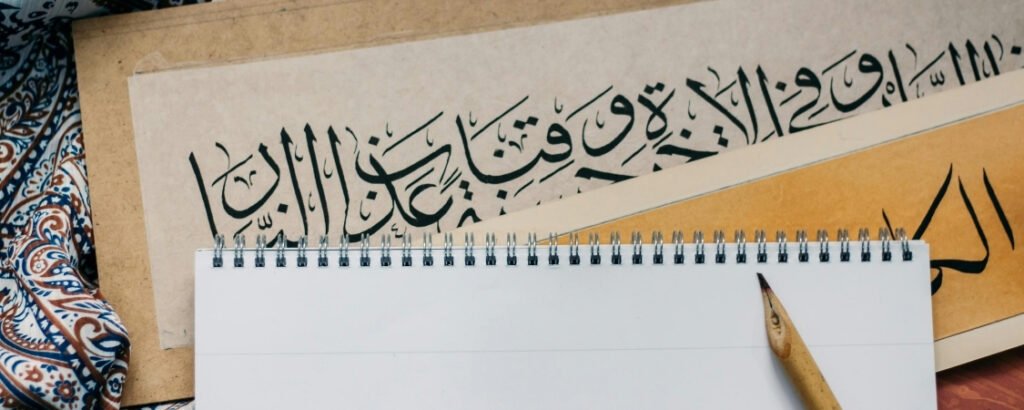
While both Modern Standard Arabic (MSA) and Arabic dialects belong to the same language family, they serve very different purposes and contexts. While both forms are part of the Arabic language, the debate around Arabic dialects vs MSA comes down to function, setting, and personal goals. If you’re just starting your Arabic journey, it’s essential to understand how these two forms differ so you can choose what to learn first. The table below breaks down the key differences between Arabic dialects and MSA in a simple, side-by-side comparison:
| Feature | Modern Standard Arabic (MSA) | Arabic Dialects |
|---|---|---|
| Formality | Formal, written, and academic | Informal, used in daily speech |
| Usage | Media, books, speeches | Home, markets, social media |
| Geographic Consistency | Same across all Arab countries | Different from country to country |
| Grammar & Vocabulary | More complex and standardized | Simplified, lots of variation |
That depends on your goals.
For example, if you’re moving to Dubai or Abu Dhabi, Gulf Arabic will be more useful. But if you’re watching Egyptian films or planning to travel around Cairo, go with Egyptian Arabic.
You can always learn MSA first to build a strong foundation, then pick up a dialect to sound more local. So if you’re still undecided between Arabic dialects vs MSA, revisit your goals and where you plan to use the language most.
Interestingly, Arabic speakers switch between MSA and dialects based on context. This is called diglossia—a situation where two forms of the language are used side by side.
So, learning both eventually is ideal—but there’s no need to do it all at once.
MSA has a more rigid grammar structure and formal vocabulary, making it slightly harder for beginners. Dialects often drop case endings, simplify grammar, and use everyday vocabulary. That’s why many expats or casual learners start with a dialect first.
However, MSA provides access to books, news, and content from all Arabic-speaking countries.
Mastering Arabic means balancing formal and informal learning—which is the essence of the Arabic dialects vs MSA journey. Here’s a practical roadmap for beginners:
Start with Modern Standard Arabic (MSA)
Build a strong foundation in grammar, reading, and writing. MSA is essential for understanding formal Arabic in media, books, and official settings.
Add a Dialect
Once you’re comfortable with the basics, choose a dialect based on your goals or location. For example, Egyptian Arabic is widely understood thanks to pop culture, while Gulf Arabic is useful in countries like the UAE and Saudi Arabia.
Immerse Yourself Daily
Exposure is key! Combine both MSA and dialect learning through:
Arabic TV shows and movies (with subtitles)
YouTube channels and language learning platforms
Podcasts, music, and social media content
Most importantly: engage in real conversations with native speakers
Learning both forms together doesn’t have to be overwhelming. The key is to make it practical and consistent.
At Lingua Learn, we offer custom Arabic courses for adults—whether you’re just getting started with MSA or aiming to master a specific dialect. Plus, if you’re unsure about your current level, you can take a professional Arabic assessment to find your CEFR level and get tailored guidance.
The Arabic dialects vs MSA debate has no one-size-fits-all answer. Your Arabic learning journey depends on your goals, environment, and personal interests.
Start with what’s most useful for you right now—then expand later. With the right learning approach and expert guidance, you can confidently communicate in Arabic in both formal and everyday situations.
For a deeper understanding of Arabic dialects vs MSA, check out this insightful article from Arab Academy.
Or take the first step with a personalized learning plan through the Lingua Learn Arabic Course, designed to match your goals and learning style.
Ready to speak Arabic with confidence? Let’s get started today.
 English
  French